
The criteria that separate one Trustly casino from another
See also:
- Operator comparison: payments, accounts and verification
- los vagos casino
- hotline casino
- 7bet casino
- queen play casino
- megaslot casino
- sahara sands casino
- hippozino casino
- How Trustly payments work at a casino, and why that matters for your choice
- Trustly versus the main alternatives: a side-by-side view
- The criteria that separate one Trustly casino from another
- Checking a Trustly casino before you deposit
- Common questions about Trustly casinos
- Staying in control when you play
Operator comparison: payments, accounts and verification
The comparison below puts the available methods next to each operator for a direct check.
| Brand | Details |
|---|---|
| los vagos casino | Trustly is accepted at Los Vegas Casino alongside cards, PayPal, Skrill and Neteller. Instant fee-free withdrawals are claimed; delays are reported. |
| hotline casino | Trustly is listed as a Hotline Casino payment method. The casino limits withdrawals to €1,500 per day across all methods, Trustly included. |
| 7bet casino | Trustly deposits at 7bet casino usually return to the same bank account on withdrawal; confirm the payout route in your account before relying on it. |
| queen play casino | Trustly was among Queen Play Casino’s payment methods, but the closed operator cannot accept deposits. |
| megaslot casino | Trustly is supported for payments at Megaslot Casino; deposits clear quickly, while withdrawal timing through the banking system can run slower than an e-wallet. |
| sahara sands casino | Trustly transfers at Sahara Sands Casino are authorised inside your own banking app, so no card issuer sits between you and the payment. |
| hippozino casino | Trustly deposits are accepted at Hippozino; bank transfer withdrawals can take up to 10 days. |
Scan the column or row for your own method, then treat every remaining candidate as equal on access and compare them on fees and limits. If a method is missing entirely, that operator drops out regardless of how attractive its other terms look.
los vagos casino
Deposits through Trustly at Los Vegas Casino go through your bank’s online approval, and the same account can be used for cash-outs. The casino advertises an instant withdrawal process with no fees, and reports of slower processing sit alongside that claim. Other accepted methods include debit cards, PayPal, Skrill, Neteller, Paysafecard, PayByMobile and bank transfer. Account name matching is the detail that trips people: the Trustly account and the casino account must belong to the same person.
hotline casino
A large win at Hotline Casino cannot leave in one payment if it exceeds €1,500, because the daily withdrawal limit applies to Trustly and every other method. The casino, licensed by Curacao’s Gaming Control Board, processes within that ceiling. Treat the figure as the size of a single day’s cash-out rather than a cap on what you can eventually withdraw.
7bet casino
Two conditions decide whether a bank-based payment works for you: a UK bank account in your own name, and an identity check that matches it. 7bet casino operates under a UK Gambling Commission licence, so name matching at withdrawal is standard. A Trustly deposit from an account registered to someone else will cause problems later.
queen play casino
Trustly works by authorising a bank transfer inside your banking app, which means the receiving casino must be actively trading. Queen Play Casino is not. It ceased UK operations in early 2026 and closed permanently. The Trustly entry on its old banking page describes a service that has ended, not an option to try.
megaslot casino
Bank-based payment routes suit players who would rather not store card details with a gambling site. Trustly works by connecting to your online banking at the point of payment, so the casino never holds the long card number. Megaslot Casino lists it among its secure payment options, though the exact deposit ceiling depends on your bank and account settings.
sahara sands casino
A Trustly deposit leaves your current account and lands with the casino without a card number changing hands. That reduces the number of places your card details sit, though it does not remove the need to keep your banking login secure. At Sahara Sands Casino the same bank account is the natural destination when you withdraw.
hippozino casino
If you prefer to keep card details off the screen, Trustly is a listed deposit choice at Hippozino casino. Its bank-transfer logic means the money comes from your current account, so confirm your bank permits the transaction and that funds are cleared. Weekly withdrawals are capped at £3,000, and cashing out to cards can take 3 to 9 days.
How Trustly payments work at a casino, and why that matters for your choice
Where the money actually moves
Paying by Trustly at a casino is closer to a bank instruction than to a card payment. You authorise the transfer from your own online banking account and the money travels directly between your bank and the casino, without a separate wallet balance sitting in between. The practical consequence is that the casino receives confirmation tied to a real bank account rather than a card number, which is why some sites treat Trustly deposits as already verified for payment purposes.
That last point is the trade-off. Controlling a bank account is not the same as proving your identity to a casino, even when a payment method confirms the first. Casinos still need identity and age checks before a withdrawal leaves, so a Trustly deposit may not spare you from uploading a document later. Approving a bank payment quickly proves access to the account, not ownership of the identity behind it.
Why the method changes a withdrawal decision
Cash-outs are where the distinction bites. A casino that sends withdrawals back through Trustly can return funds to the same bank account used to deposit, which tends to be straightforward when the account holder matches. Where the withdrawal route differs from the deposit route, the site has to reconcile two records before releasing money, and that applies regardless of how quickly the original deposit cleared. A fast deposit is not a promise of a fast payout.
When comparing sites, the useful question is not whether Trustly appears in a payment list but what the site’s conditions say about withdrawals to it: whether deposit and withdrawal methods must match, whether a minimum or maximum applies, and whether Trustly deposits count towards bonus turnover at all. Some sites exclude certain payment methods from wagering, which can leave a bonus attached to a deposit that never unlocks it. Read the payment terms and the bonus conditions separately, because they are written by different hands and can contradict each other.
Trustly versus the main alternatives: a side-by-side view
The comparison that matters for a casino payment method is not which one sounds modern, but which one changes what you have to do before the money moves. Trustly, a debit card and a bank transfer all draw on the same current account, yet they place the friction in different places: identity checks, how much of your banking is exposed to the casino, and when the balance becomes spendable.
| Criterion | Trustly | Debit card | Bank transfer |
|---|---|---|---|
| How the casino receives funds | A bank-based transfer initiated through an authentication step | Card details passed through the card network | Direct transfer from your account to the casino’s account |
| Identity and account checks | Usually tied to the bank login and the account name you authenticate with | Cardholder name, billing address and card checks | Account name and reference details entered by you |
| Speed of the deposit clearing | Often near-instant, because no card network round-trip is involved | Usually quick, though some issuers add checks | Can take longer, since it depends on banking hours and cut-offs |
| Withdrawals | Paid back to the authenticated bank account, not to a card | Refunded to the card, subject to card and issuer rules | Returned by the casino to the account you nominate |
| What the casino sees | Confirmation of a completed bank-based payment | Card details, handled under card-industry rules | Your account details and the amount sent |
| Where the friction sits | At the bank authentication step, which can fail or time out | At card authorisation and any issuer block | At the transfer reference and the casino’s reconciliation |
Trustly’s practical advantage is that the casino is not storing card numbers, so a data breach at the site does not expose your card in the way a stored-card model can. That is a narrower exposure, not immunity: the authentication step still connects your bank to the merchant, and the merchant still knows your name and account details. Debit cards are more familiar, and chargeback rights exist, but a casino deposit funded by card can attract issuer scrutiny, and some banks decline gambling transactions outright. Bank transfer involves the least third-party mediation but the most manual work, and a mistyped reference can delay reconciliation.
Choose by the step you are most willing to tolerate. If you want the deposit to clear without entering card details, Trustly fits. If you value the established dispute route a card provides, a card fits, accepting that some issuers will not process the payment. If you prefer to control the transfer yourself and can wait, direct bank transfer works, provided you copy the reference exactly. Withdrawals follow the same logic in reverse: returning money to the authenticated bank account is tidy, but it means the destination is fixed, so a closed or changed account will interrupt the payout. Decide which of those fixed points you can live with before you deposit, not after you request a withdrawal.
bingo casino: How Bingo Rooms and Casino Lobbies Differ in Practice
The criteria that separate one Trustly casino from another
Terms attached to the payment, not just the logo
A Trustly logo on a cashier page tells you one thing: the casino accepts a payment route that draws from your bank account. It does not tell you what the withdrawal will cost you in time or conditions. When comparing sites, put the payment-specific rules first, because these are the details that turn a convenient deposit into a frustrating exit.
Start with the withdrawal side rather than the deposit. A casino can accept Trustly for funding while routing payouts through a different method, or it can process both through the same account. Ask which of these applies before you open your account, because your choice of deposit method determines how you will be paid and, in some cases, how your bonus terms behave. Check the withdrawal section of the banking page and the general terms, not the deposit button.
Bonus conditions that treat payment methods differently
Bonuses are where payment choice becomes expensive. Some sites exclude certain deposit routes from welcome offers, or count them at a reduced weight towards turnover conditions. If you claim an offer before reading the payment exclusions, you can end up bound to wagering requirements on money that does not qualify. Read the eligibility section of the bonus terms alongside the banking page, and treat any mismatch between the two as a reason to pause.
Outside the bonus terms, the distinctions that matter are more ordinary: whether a minimum withdrawal applies, whether an account must be verified before the first payout, and whether the casino applies a holding period. These conditions vary between sites, and none of them can be assumed from the Trustly name alone. A shortlist built on those specifics will separate sites far more reliably than a comparison based on how the cashier looks.
Checking a Trustly casino before you deposit
-
Open the casino’s payment page and find Trustly listed as a deposit method, then look for the fund-transfer mechanic it actually uses. Some sites offer Trustly as a direct bank transfer layered onto a card; others route it through a licensed payment partner. The display name alone does not tell you which model applies, so treat the presence of the name as a starting point, not a settled fact, and read the surrounding wording for whether a card, a bank account or a third-party wallet is involved.
-
Check that the currency and account type shown match your own before you commit funds. A euro-denominated account with a sterling card is not the same as a sterling account; the difference lands in conversion handling and in whether the deposit clears at all. Look at the deposit screen’s confirmation text, not the marketing page. If the page asks you to choose a region or currency first, choose the one that matches your bank, not the one that looks most familiar.
-
Read the minimum and maximum deposit figures on the cashier screen itself, because promotional pages often quote a threshold that conflicts with the live limit. The limit that matters is the one the payment form enforces, and a rejected deposit can leave a pending authorisation at your bank that takes time to clear. A figure that appears in bold near a welcome offer is not necessarily the operational ceiling.
-
Confirm what the site does with your account and identity details before the first transfer. Trustly-style transfers may share account-holder information with the casino; a site that asks for proof of identity only at withdrawal has a different risk profile from one that requests it at deposit. Neither is automatically wrong, but the timing tells you where the friction will appear.
-
Check the withdrawal side in the same visit. A casino that accepts Trustly deposits may not pay withdrawals through the same route, and a mismatch between deposit and withdrawal methods can extend the cash-out process while the operator verifies the route change. Look for a statement of the withdrawal method alongside the deposit listing.
admiral casino login, account access, verification and sign-in fixes
The useful distinction is between what the site advertises and what the cashier enforces. A Trustly logo, a quoted threshold and a help-centre article are three different records, and when they disagree the live cashier screen is the one that will decide your deposit. Note what it shows before you press confirm, keep a copy of the confirmation, and stop when a detail is unclear rather than drawing an inference from the marketing layout.
Common questions about Trustly casinos
A debit appears on my bank statement while the casino balance shows no deposit. What is the next step?
Find the payment reference on the bank entry and the matching record in the casino’s transaction history; a pending entry may simply not have been credited yet. Keep both documents and raise it with each party using that reference rather than a screenshot of the total.
If my chosen deposit or withdrawal method disappears from a casino’s cashier, what should I do?
Treat it as a change to the site’s setup, not to your Trustly account. Check whether the method is listed on the payments page and whether withdrawals name a method at all. Confirm any pending withdrawal’s route in your account history before requesting another.
The casino balance shows my deposit but my bank statement does not, or the amounts differ. What explains that?
Two systems record the same payment at different stages, so a settled casino balance can appear before the bank entry posts, and pending card-style entries can show a temporary amount. Use the casino’s transaction reference when querying either side.
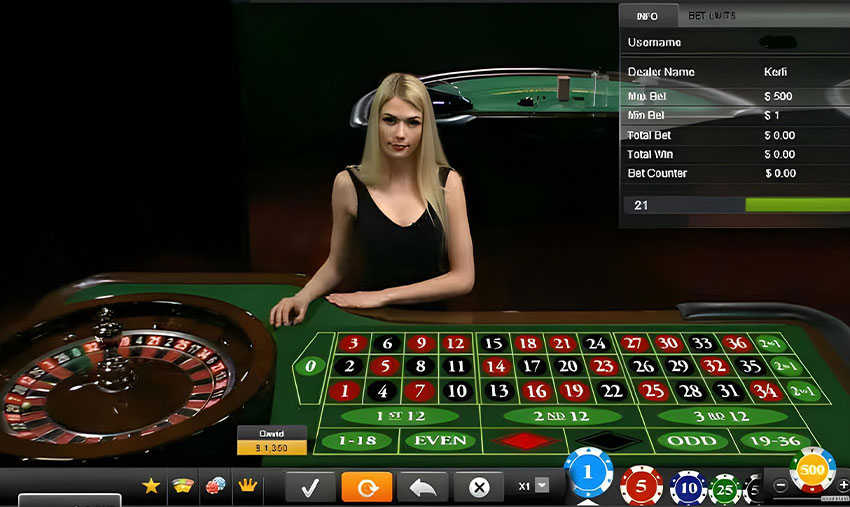
Staying in control when you play
A useful check on any Trustly casino is how quickly you can stop. Look for deposit, loss and session limits in the account settings before you fund it, and confirm that lowering a limit takes effect immediately. If the only barrier to more spending is your own resolve, the site has not given you a control, just an intention. Payment convenience cuts both ways: paying by bank transfer is quick, so the pause that a card or e-wallet might have created can disappear entirely. That makes pre-set limits more valuable, not less. Gambling is for over-18s only in the UK, and the site should be licensed by the Gambling Commission. GAMSTOP can exclude you from licensed operators, and GamCare, BeGambleAware and the National Gambling Helpline on 0808 8020 133 can help when play stops feeling manageable.